
London loft and extension contractors · Established 2000
Loft Conversions & Extensions in London
Create useful new space with coordinated structural work, weatherproofing, building services and interior fit-out—planned around the property, access and the approvals that apply.
- Scope
- Loft conversions, rear and side extensions
- Delivery
- Structure, services and finishes coordinated
- Coverage
- Residential projects across London
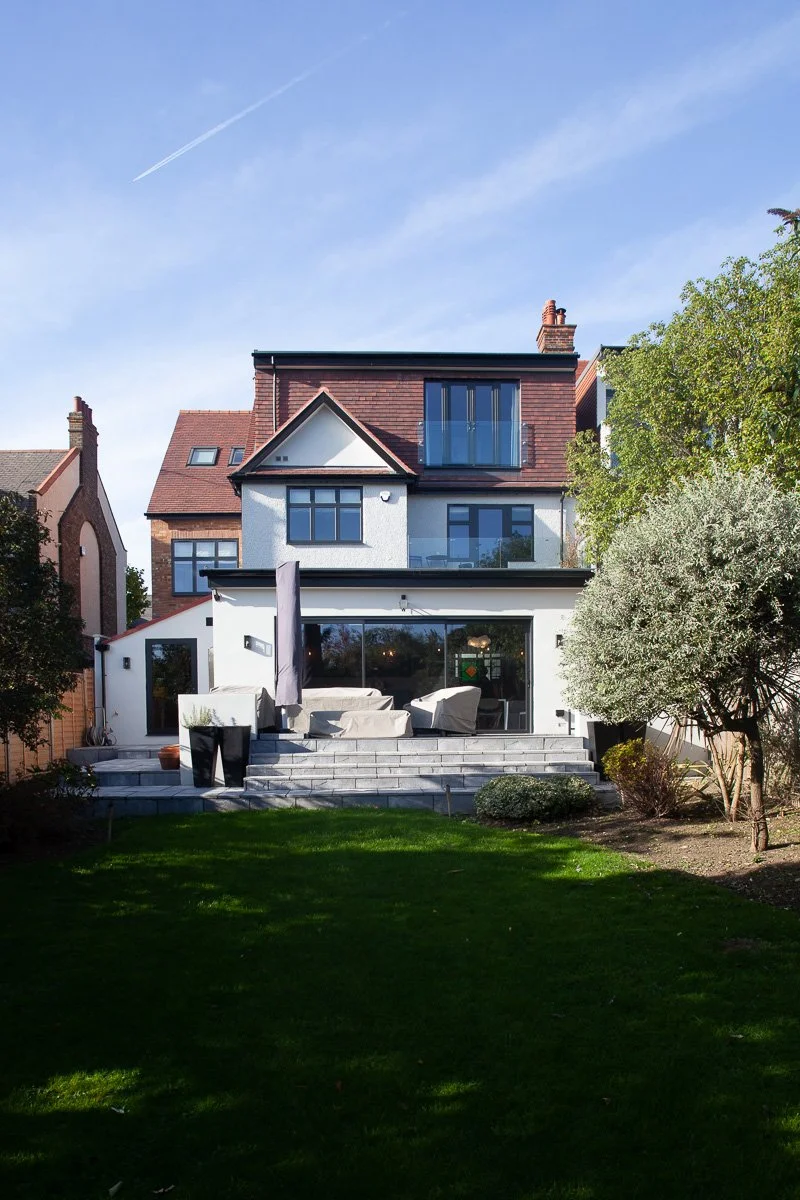
Start with the property
Is a loft conversion or extension feasible?
The answer depends on the existing roof and structure, usable head height, stair position, planning context, drainage, boundaries and how the site can be accessed safely.
- 01Roof form and head height
Measure the existing geometry before deciding which conversion type is realistic.
- 02Structure and load paths
Identify where new floors, steels, openings and support may be required.
- 03Stair and fire strategy
Resolve safe circulation, escape provisions and the relationship with the existing floors.
- 04Planning and property constraints
Check permitted-development limits, conservation controls, leasehold matters and local requirements.
- 05Access and buildability
Plan deliveries, scaffolding, protection, waste routes and neighbour interfaces.
Ways to create more space
The right form follows the house
Different roof shapes, plots and planning settings call for different solutions. The design should improve usable space without forcing an unsuitable form onto the property.
Rear dormer conversions
A common route for increasing full-height floor area while keeping the principal roof slope largely unchanged.
Useful for bedrooms, bathrooms, studies and storage-led layouts.Hip-to-gable conversions
Extend a hipped roof to form a gable where the house form and approvals allow.
Mansard and roof remodelling
A more substantial alteration that can maximise volume but often needs a fuller planning and design process.
Rooflight conversions
Use the existing roof envelope where the space already has workable height and geometry.
Rear, side and linked extensions
Add ground-floor or multi-level space and coordinate the new structure with kitchens, services, glazing and the wider refurbishment.
Particularly valuable where circulation and garden connection need to improve together.Extensions with full refurbishment
Combine new space with layout changes, building services and finishes under one coordinated programme.
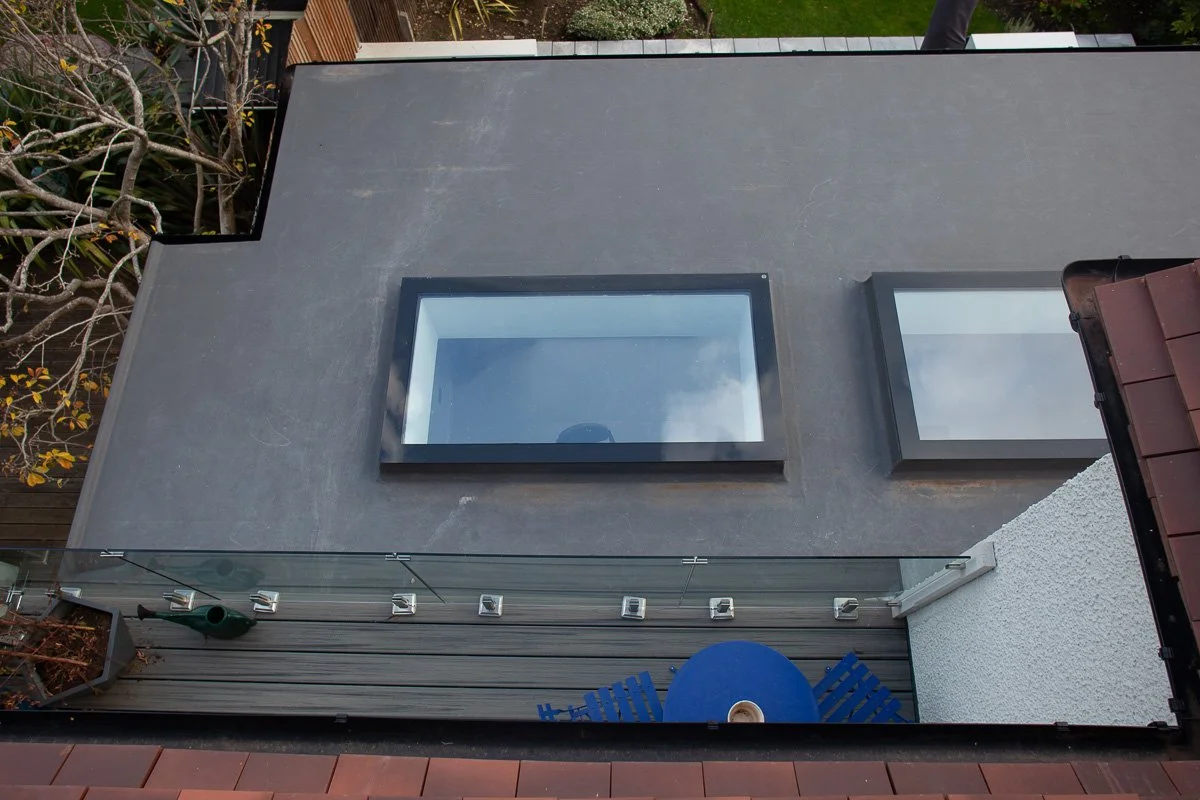
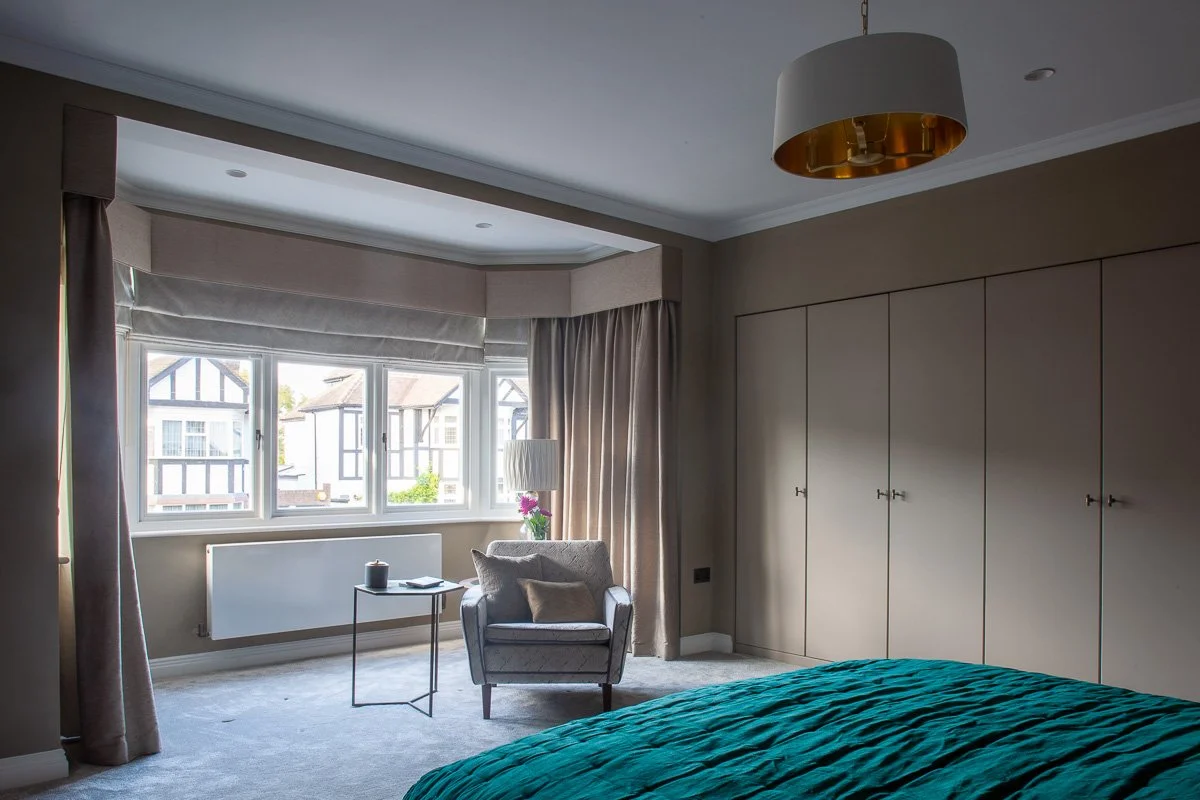
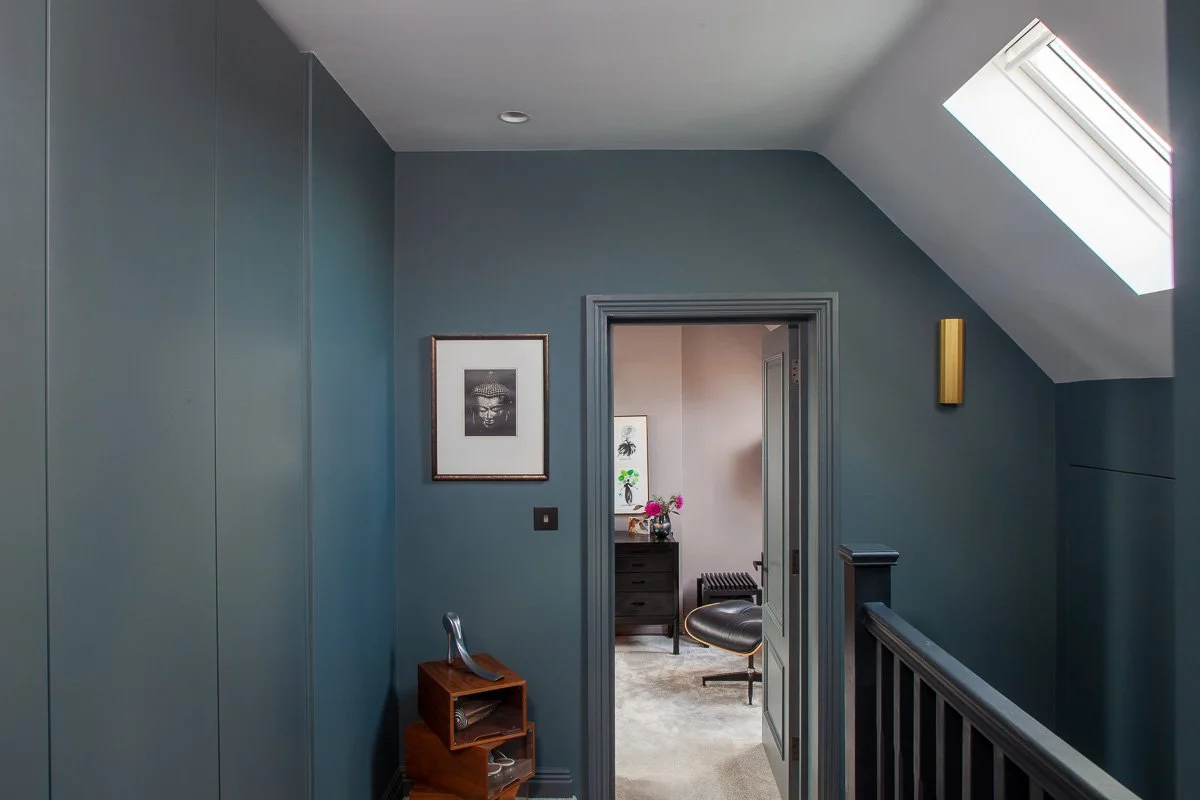
Selected ZSS project imagery
A new floor should feel connected to the original home
The strongest loft projects resolve the exterior form, stairs, daylight, storage and room proportions together—not as separate decisions made after construction starts.
Roof form, materials and visible detailing considered in relation to the existing elevation.
Sloping areas used deliberately for storage, joinery and circulation.
Heating, plumbing, electrics, ventilation and lighting coordinated with the new layout.
Approvals and technical coordination
Resolve the rules before they become site problems
Planning status is property-specific. Building regulations, structural design and neighbour matters must be addressed on the route that applies to the proposed work.
Permitted development or application
Some house projects can proceed under permitted-development rights when every limit and condition is met. Flats, maisonettes, designated areas and properties with restricted rights need particular care.
Structure, fire, stairs and energy
Loft conversions and extensions normally involve building-regulations requirements covering matters such as structural safety, fire precautions, insulation, ventilation and drainage.
Openings, floors and support
Structural calculations and details should match the actual property, proposed spans, new loads and the sequence needed to form the work safely.
Party-wall and boundary matters
Work to shared walls, near boundaries or involving certain excavations may trigger formal procedures. The relevant advice should be obtained early enough to protect the programme.
General website guidance only. The required approvals and notices must be confirmed for the individual property and design.
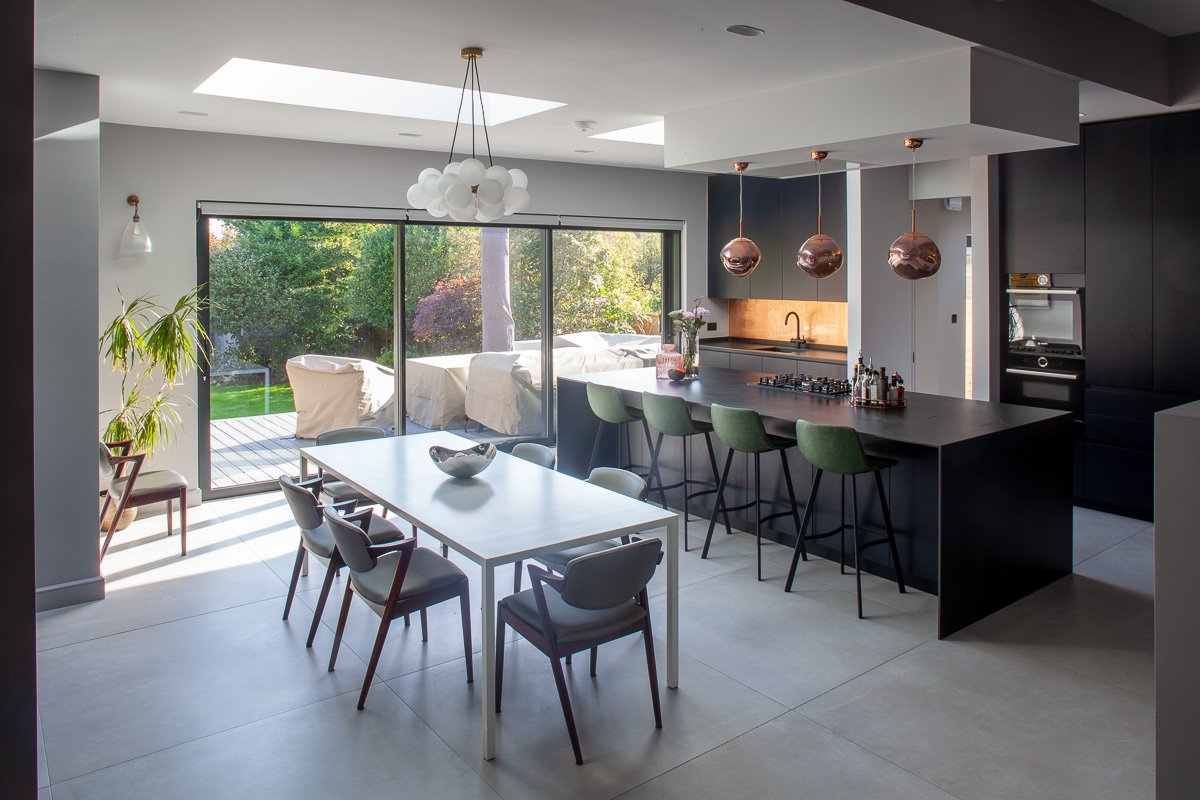
One coordinated property programme
Loft and extension works can be planned together
Where a home needs space at more than one level, coordinating the structure, service upgrades, temporary protection and finishes can reduce duplicated decisions and create a more consistent result.
- Structural openings and steelwork sequenced around the agreed design
- Electrical, plumbing, heating and ventilation requirements reviewed together
- Kitchen, bathroom, joinery and decoration interfaces allowed for in the scope
- Scaffolding, weathering and access considered as part of the construction plan
Delivery route
A staged route from feasibility to handover
The exact appointments vary, but the sequence should make design decisions, approvals, procurement and construction responsibilities visible before work advances.
- 01
Survey and feasibility
Review the existing house, priorities, access and likely constraints.
- 02
Design and approvals
Develop the layout and technical information, then follow the appropriate planning and building-control routes.
- 03
Scope, quotation and programme
Clarify drawings, specifications, assumptions, exclusions, lead times and responsibilities.
- 04
Structure and weathering
Establish protection, form the structure and keep the property secure and weather-resistant through the build.
- 05
Services, finishes and handover
Complete the fit-out, review quality, record remaining items and close the project in an organised way.
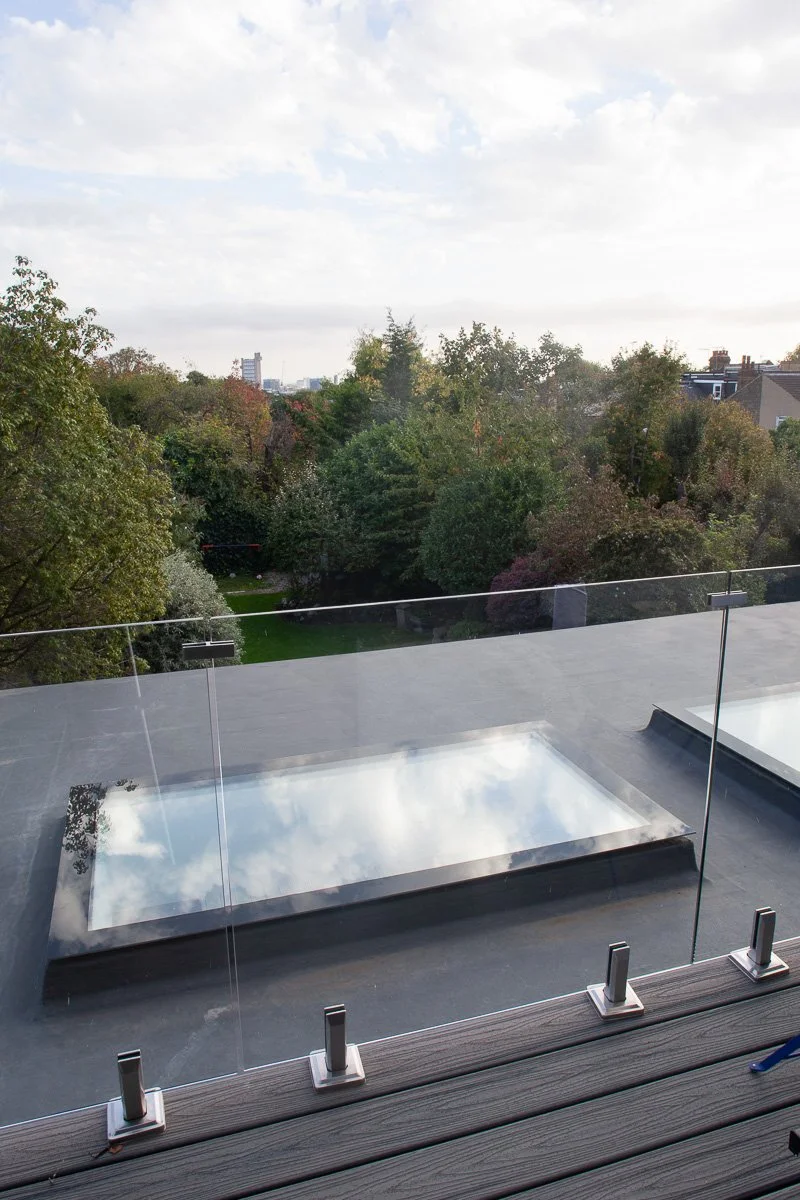
Building in London
The site conditions shape the method
Shared walls, restricted side access, noise and scaffold interfaces need early coordination.
Local design controls can affect dormers, rooflights, materials and the planning route.
Dust control, temporary separation, services interruptions and safe circulation need to be planned around the household.
Parking controls, narrow streets and limited external space influence procurement, lifting and waste removal.
Cost and programme
What changes the quotation and timeline?
A reliable proposal must respond to the actual design and property. Fixed headline prices or durations can conceal major differences in structure, access and finish.
- Conversion or extension type and overall scale
- Structural steelwork, foundations and altered openings
- Windows, roofing, insulation and external materials
- Bathrooms, joinery, finishes and service upgrades
- Scaffolding, access, protection and waste logistics
- Design development and statutory approval route
- Party-wall or freeholder processes where applicable
- Specialist-item and window lead times
- Weather-sensitive roof and external work
- Variations, discoveries and client decision timing
Common questions
Loft conversion and extension FAQs
Early answers help establish the right route, but final advice must reflect the property and proposed drawings.
Does a loft conversion need planning permission?
Some loft enlargements to houses can fall within permitted-development rights, subject to all limits and conditions. Planning permission may be required where rights do not apply, have been removed or the proposal exceeds them. Flats and maisonettes are treated differently.
Do extensions always require planning permission?
No. Some house extensions may qualify as permitted development, while larger or differently configured proposals may require prior approval or a householder planning application. Existing extensions and local restrictions also matter.
Will building regulations approval be needed?
Loft conversions and structural extensions normally require building-regulations input. The design may need to address structure, fire safety, stairs, insulation, ventilation, drainage and other relevant requirements.
Can we remain in the property during the work?
Often yes, but suitability depends on the scale, access, temporary protection and service interruptions. The programme should identify periods when occupation becomes difficult or unsafe.
Can ZSS coordinate the interior fit-out as well?
Yes. The agreed scope can include electrical, plumbing, heating, bathrooms, kitchens, joinery, flooring and decoration alongside the structural work.
How long will the project take?
The programme depends on the approval route, structural complexity, access, weather-sensitive work, specialist lead times and finish level. A project-specific programme should be agreed once the design and scope are sufficiently defined.
Plan the next stage
Discuss your loft conversion or extension
Share the property address, current drawings or survey information, the space you want to create and any known planning or access constraints.